Rug Binding Services at Silk Road Odyssey!
Expert Rug Binding & Serging Services | Silk Road Odyssey
Preserving Your Rug’s Beauty: A Guide to Rug Binding & Serging
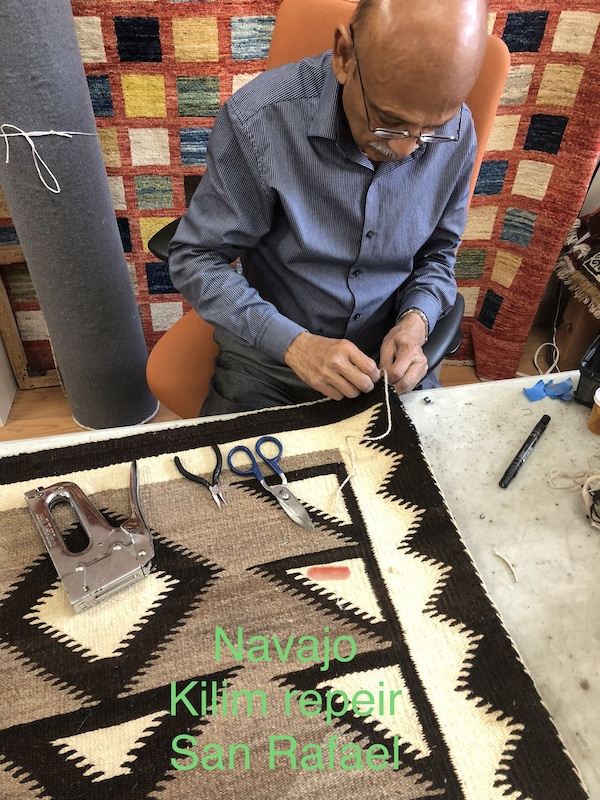
Welcome to Silk Road Odyssey, where we embark on a journey to enhance the beauty and longevity of your rugs through expert binding and serging services. Our passion for preserving the intricate craftsmanship of Persian, modern, Oriental, Navajo Kilim, Turkish, Karistan, and machine-made rugs reflects in our meticulous techniques and dedication to quality.
In this comprehensive guide, we delve into the significance of rug binding and serging, elucidating their role in maintaining the integrity and aesthetics of your prized possessions. The edges of your rug are its most vulnerable part, and securing them properly is the key to preventing unraveling and ensuring a long, beautiful life.
What is Rug Binding & Serging? Understanding the Craft
While both services protect the edges of your rug, they are distinct techniques used for different types of rugs and aesthetic goals.
Rug Binding: A Clean and Classic Finish
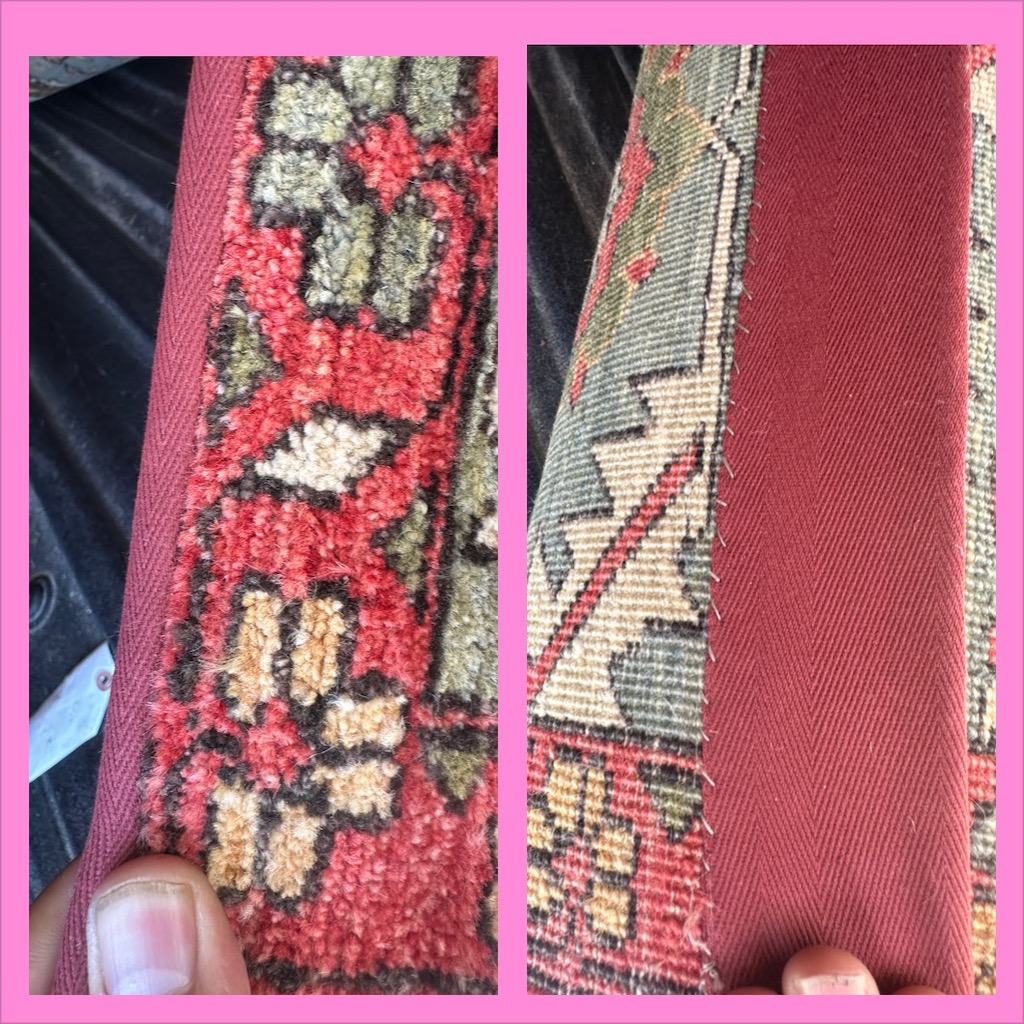
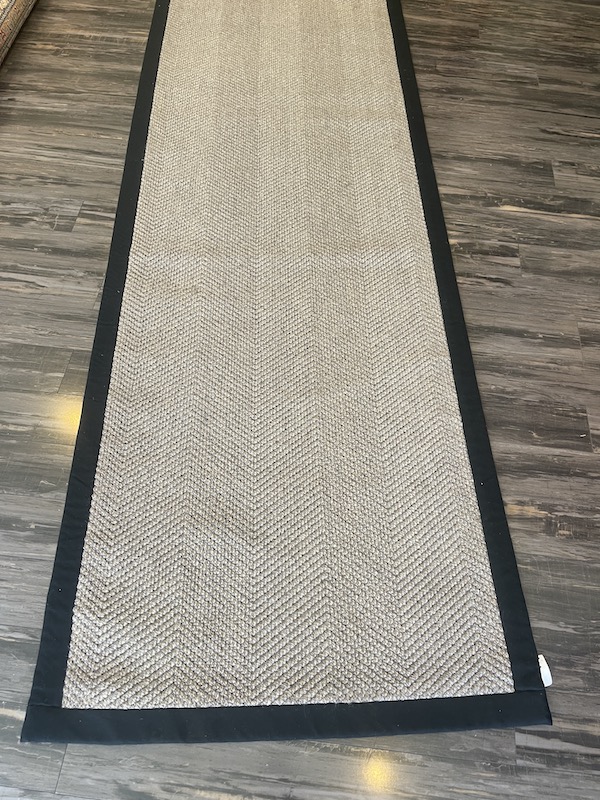
Rug binding is the process of applying a strip of fabric, typically made of cotton or polyester, over the edge of the rug and stitching it in place. This method creates a clean, classic, and durable border.
- When is Binding Used? Binding is most commonly used on machine-made, tufted, and cut-to-size carpets. It provides a neat, tailored look that is perfect for modern and contemporary rugs. It’s also an excellent way to create custom-sized area rugs from broadloom carpet remnants.
- The Result: A handsome, finished edge that is both strong and visually clean, perfectly framing the rug.
Rug Serging (or Overcasting): An Authentic, Hand-Woven Look
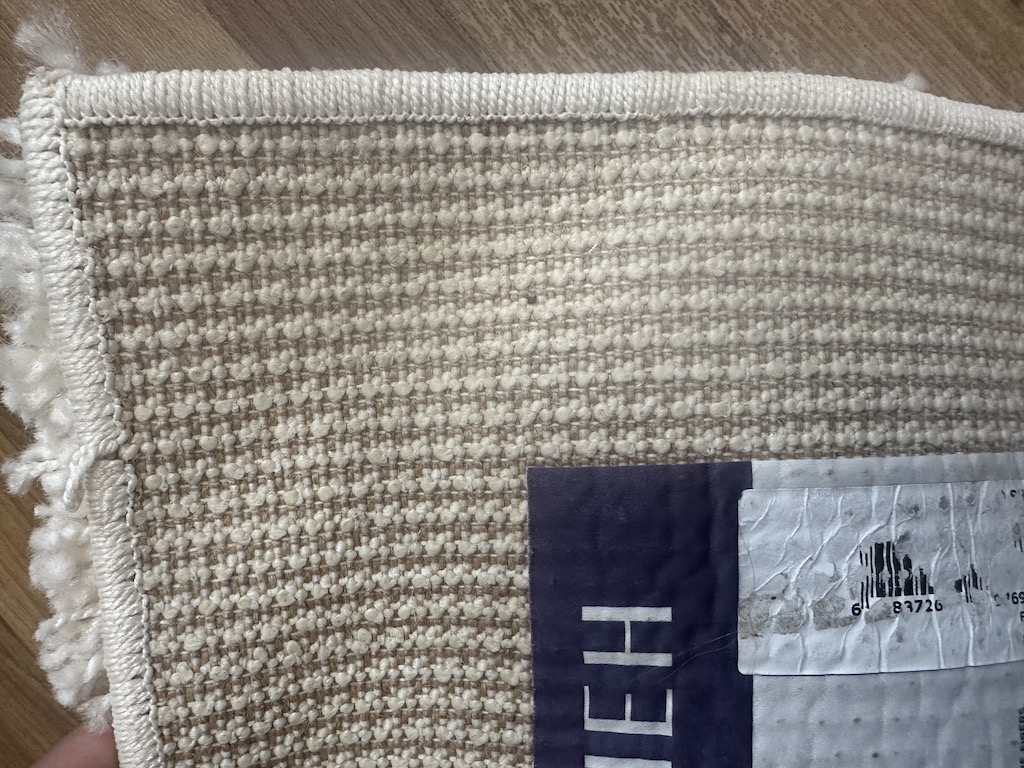
Serging, also known as overcasting, is a more traditional technique where a continuous yarn is wrapped around the edge of the rug. This method is often used to replicate the original hand-sewn finish of many hand-knotted rugs.
- When is Serging Used? Serging is the preferred method for Oriental, Persian, Turkish, and many other hand-knotted rugs. It provides an authentic, handcrafted look that honors the rug’s original construction. We take great care to select a wool or cotton yarn that perfectly matches the color and texture of your rug’s pile.
- The Result: A beautiful, continuous wrapped edge that looks like part of the original weave, preserving the rug’s authentic character.
Why are Binding and Serging Essential for Your Rug?
Investing in professional edge finishing is crucial for several reasons:
- It Prevents Unraveling: This is the most important function. The edges are where a rug’s weave is most likely to come apart. A secure binding or serging acts as a barrier, locking the fibers in place and preventing costly damage.
- It Restores Damaged Edges: If your rug’s sides are already frayed, worn, or damaged, our repair services can restore them. We first trim and secure the damaged area, then apply a new binding or serging to make it strong and beautiful again.
- It Enhances Aesthetic Appeal: A crisp, clean edge gives your rug a polished and complete look. A frayed, damaged edge, in contrast, can make even the most beautiful rug look tired and neglected.
- It Increases Longevity and Value: By protecting the structural integrity of your rug, you are ensuring it will last for generations. For valuable hand-knotted rugs, maintaining the original finish with expert serging is essential for preserving its value.
Frequently Asked Questions (FAQ) about Rug Binding & Serging
1. Q: How do I know if my rug needs binding or serging? A: Generally, machine-made carpets require binding, while hand-knotted rugs (like Persian or Turkish) require serging to maintain their authentic look. Our experts will always inspect your rug and recommend the correct, most appropriate technique.
2. Q: Can you match the color of the yarn to my rug? A: Yes, absolutely. We have a wide selection of binding tapes and serging yarns in various colors and materials. We take great care to choose a color that either perfectly matches your rug’s pile or complements its border design.
3. Q: My vacuum cleaner has damaged the edges of my rug. Can you fix it? A: Yes, this is a very common issue. We can repair the damage by applying a new, secure binding or serging. We also recommend you vacuum parallel to the edges, not into them, to prevent this from happening in the future.
4. Q: I have a piece of leftover carpet. Can you turn it into an area rug for me? A: Yes, this is a perfect use for our rug binding service. We can cut the carpet remnant to your desired size and shape and then apply a professional binding to create a beautiful, custom area rug.
5. Q: How long does the binding or serging process take? A: The timeline depends on the size of the rug and the complexity of the job. However, most edge repair services are completed within 1-2 weeks. We will provide a more precise estimate when we see the rug.
6. Q: Is this service expensive? A: Rug binding and serging are very affordable and cost-effective services, especially when you consider that they prevent much more expensive structural damage down the line. It is one of the best investments you can make in your rug’s longevity.
Understanding Rug Binding and Surging:
Rug binding and surging are indispensable techniques employed to reinforce the edges of rugs, preventing fraying and unraveling. While they serve a functional purpose, they also contribute significantly to the visual appeal and durability of the rug.